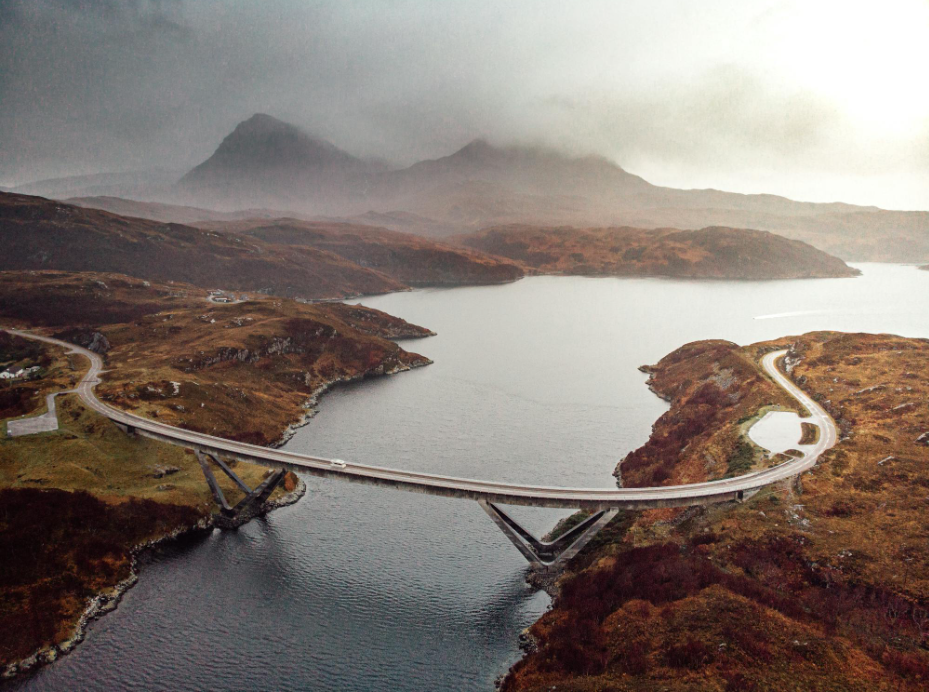
The North Coast 500 (NC500) is often described as Scotland’s answer to Route 66, but for a motorcyclist, that comparison barely scratches the surface. Spanning roughly 516 miles of rugged coastline, ancient glens, and white-sand beaches, the NC500 is a sensory overload of technical riding and cinematic vistas.
Whether you are navigating the hairpins of the Bealach na Bà or cruising the sweeping curves of the Assynt coastline, this route is the ultimate test of both machine and rider. This guide covers everything you need to know to plan an adventure through the wild North.
1. The Strategy: Clockwise or Anti-Clockwise?
One of the first decisions you will face at the Inverness start line is which way to turn for your NC500 voyage.
- Clockwise: This is the traditional choice. It places you on the coastal side of the road (the left), giving you unobstructed views of the Atlantic and the North Sea. It also hits the legendary Bealach na Bà early on, which is a high-adrenaline way to start the trip.
- Anti-Clockwise: Many seasoned riders prefer this for a “slow burn” approach. You enjoy the gentler, rolling roads of the east coast first, building your confidence before tackling the more demanding, single-track sections of the west and north.
The Bealach na Bà Warning
For many, the Bealach na Bà (the Pass of the Cattle) is the holy grail of the NC500. It is the steepest ascent of any road in the UK, rising to 626 metres (2,054 feet) with Alpine-style hairpins.
Note: If you are a novice rider or on a heavily loaded tourer, be aware that this pass requires excellent clutch control and low-speed balance. In high winds or mist, it can be treacherous. If in doubt, the “low road” via Strathcarron is a beautiful, less stressful alternative.
2. Essential Gear and Preparation
The Highlands are famous for experiencing “four seasons in one hour.” Even in July, when riding the NC500, you can go from 20°C sunshine to a 10°C torrential downpour in the space of a single glen.
- Layering is King: Use a base layer, a heated vest (if you have one), and a high-quality Gore-Tex or waterproof outer shell.
- Tyre Health: Check your tread before you leave. The abrasive Highland asphalt and the “corrugation” of single-track passing places can wear down rubber faster than motorway cruising.
- The Midge Factor: From June to September, the Scottish midge is a force of nature. When you stop for a break, they will find you. Keep a small bottle of repellent in your tank bag.
3. Navigating the Single-Track Roads
A large portion of the NC500, particularly in Sutherland and Wester Ross, consists of single-track roads with passing places.
The Biker’s Code of the Highlands:
- Passing Places: These are for passing, not parking. Never park in a passing place to take a photo; find a designated layby instead.
- Observation: Keep a constant eye on your mirrors. If a local in a pickup truck or delivery van is hovering on your rear tyre, pull into the next passing place on the left and let them through. They know these roads better than you, and holding them up causes friction between tourists and the local community.
- The Wave: Biker camaraderie is alive and well in the North. Expect a nod or a wave from almost every rider you pass.
4. Top Riding Sections and Highlights
Inverness to Applecross (The Gateway)
Leaving the Highland capital, the NC500 roads quickly open up. The stretch toward Lochcarron offers wide, fast sweepers that allow you to settle into a rhythm. Then comes the turn-off for Applecross and the ascent of the Bealach. The view from the top, looking back toward the Isle of Skye, is world-class.
Ullapool to Durness (The Wild West)
This is arguably the most technical and scenic part of the NC500 route. You’ll pass Ardvreck Castle on the shores of Loch Assynt—a perfect spot for a quick photo. The road then snakes through the “Moonscape” of Assynt, where mountains like Suilven and Stac Pollaidh rise abruptly from the peat bog.
Durness to Thurso (The North Wall)
The north coast feels isolated and raw – and that’s part of the attraction. The road hugs the cliffs, dipping down into secluded coves like Ceannabeinne Beach. Make sure to stop at Smoo Cave in Durness; the sheer scale of the limestone sea cave is staggering.
The East Coast (The Home Stretch)
Coming south from John O’ Groats, the roads become wider (A9). While less technical, this section allows you to cover more ground. Don’t miss Dunrobin Castle near Golspie; its French-chateau architecture looks like something out of a fairy tale against the grey North Sea.
5. Practicalities: Fuel and Food
Fuel Management
In the North, “Low Fuel” lights are a genuine emergency. On the NC500, Petrol Stations can be 50miles apart, and many are small, independent pumps that may close early or on Sundays.
- Rule of Thumb: If you see a petrol station and you are below half a tank, fill up.
- Key Fuel Hubs: Ullapool, Lochinver, Durness, Thurso, and Wick.
Biker-Friendly Refuelling (For the Rider)
- The Applecross Inn: Famous for its seafood and atmosphere. It is the reward at the end of the Pass.
- Cocoa Mountain (Durness): Located in the Balnakeil Craft Village, they serve what many claim is the best hot chocolate in the world—essential if you have been caught in a North Atlantic chill.
- Cult Cafe (Ullapool): A New Zealand themed cafe serving amazing coffee.
6. Where to Stay
The NC500 has seen a boom in “pods” and “bunkhouses,” which are perfect for bikers who don’t want the hassle of a tent but don’t need a five-star hotel.
- Bunkhouses: Places like the Ceilidh Place in Ullapool or Helmsdale Lodge offer secure-ish bike parking and drying rooms for wet gear.
- Camping: If you choose to wild camp, follow the Scottish Outdoor Access Code: “Leave No Trace.” However, using established campsites like Sango Sands in Durness provides much-needed showers and a chance to swap stories with other riders.
7. Safety and Respect
The NC500 is a working environment for locals. It is not a closed race circuit.
- Wildlife: Red deer and Highland cows (Heilan’ Coos) are frequent road users. A collision with a 200kg stag will end your trip instantly. Be especially cautious at dawn and dusk.
- Speed: While the national speed limit is 60mph, many bends are un-signposted and much sharper than they appear.
Summary: Why Ride the NC500?
The North Coast 500 isn’t just about the miles; it’s about the stillness of a glen at 6am, the smell of the salt air on the Kyle of Tongue bridge, and the satisfaction of a warm fire after a day of challenging riding. It is a rite of passage for any UK-based motorcyclist and a bucket-list journey for the rest of the world.
Pack your waterproofs, respect the locals, and keep your eyes on the road. The Highlands are waiting.
Join Our Newsletter
Stay up to date on what happening in the biker world.
Don't worry, we're not spammy
Advertising Feature
Featured Business
- Closed now

- Cafes
There are no results matching your search
Latest Articles

BikerBase
- 0 reactions
- 1 month ago
BikerBase
- 0 reactions
- 2 months ago
There are no results matching your search
Latest Community Reviews
Mouse_the_grom
Honestly my favourite stop! The guys are wonderful, friendly, welcoming and so supportive of their customers! Food and drink selection is amazing, great garden with benches to enjoy. The whole place is just so welcoming and inclusive. (Plus dog friendly which is a huge bonus!) You genuinely can't beat it! They are faily new opening so all the support we can give, let's do it! Already they are making an amazing impact on the community. Sunday mornings, mental health motorbikes pay a visit and every friday 4pm til 8pm is bike night. No faults! Cannot recommend enough!
The Travelling Biker
Great T-shirts. Nice store with loads to try on. Grabbed a coffee and saw some cool choppers ride in.
- By
- BikerBase
Share this post