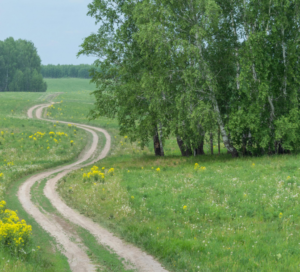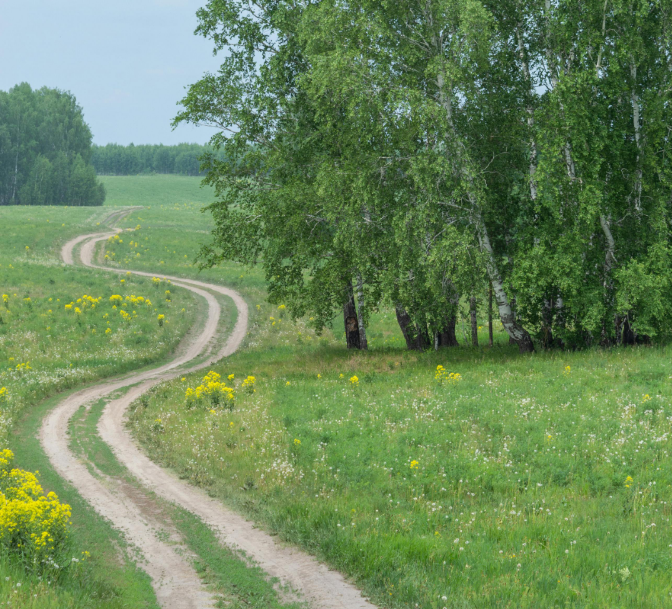
For many motorcyclists, the allure of the open road eventually hits a literal wall: the congestion of the M25, the predictable sweep of A-road roundabouts, and the increasing density of traffic. When the tarmac begins to feel like a cage, the solution lies in the narrow, unpaved arteries that criss-cross the British countryside. This is the world of ‘green laning’—a uniquely British pastime that blends technical riding skill with historical exploration and breathtaking scenery.
Green laning is not motocross. It isn’t about high-speed jumps or roosting dirt in a competitive arena. Instead, it is the art of navigating legal, unsealed public rights of way. It is slow-speed, high-concentration travel that allows riders to see a side of the UK that remains invisible from the window of a car.
Understanding the Legal Landscape
Before you kit up and head for the nearest mud track on your green laning adventure, it is imperative to understand the legalities. In the UK, you cannot simply ride anywhere there is dirt. To stay on the right side of the law (and to avoid the seizure of your motorcycle under Section 59 of the Police Reform Act), you must stick to specific types of rights of way.
The Categories of Tracks
- Byways Open to All Traffic (BOATs): These are the holy grail for green laning. They are highways over which the public has a right of way for all types of traffic, including motor vehicles. They are often marked on Ordnance Survey (OS) maps with red ‘plus’ symbols.
- Unclassified County Roads (UCRs): Also known as ‘Orphan Roads’, these are technically part of the ordinary road network but are generally unpaved. On OS maps, they often appear as white roads (hence the term ‘White Roads’).
- Restricted Byways and Bridleways: Do not ride here. These are for non-motorised traffic only (hikers, cyclists, and horse riders). Riding on these is a criminal offence.
The legal status of green laning is often in flux. The Natural Environment and Rural Communities (NERC) Act 2006 significantly reduced the number of lanes available to motorised vehicles. To ensure a lane is currently legal, tools like the Green Road Map (GAMMA) or the Trail Riders Fellowship (TRF) databases are essential. These resources track Traffic Regulation Orders (TROs), which are temporary or permanent bans on vehicles used to protect the ground during winter or to allow for repairs.
Choosing Your Steed: The Right Bike for the Job
While you can technically take any road-legal bike on a green lane, your experience will vary wildly depending on your choice of machinery.
The Lightweight Enduro (250cc – 450cc)
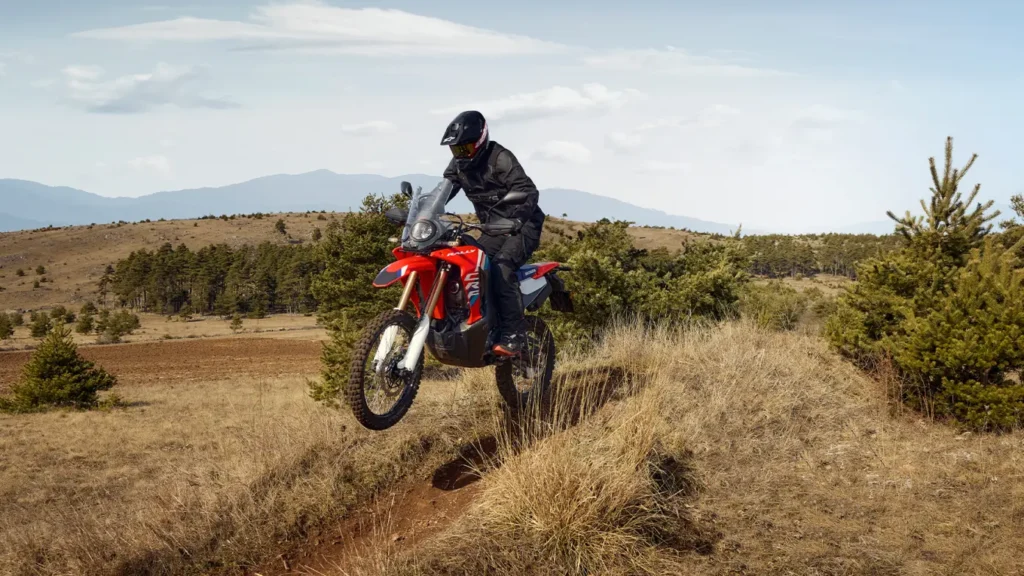
Bikes like the Honda CRF300L or the Yamaha WR250R are the gold standard for beginners. They are light enough to manhandle when you inevitably drop them in a muddy rut, and their long-travel suspension soaks up rocks and roots with ease.
The Middleweight Adventure (600cc – 900cc)
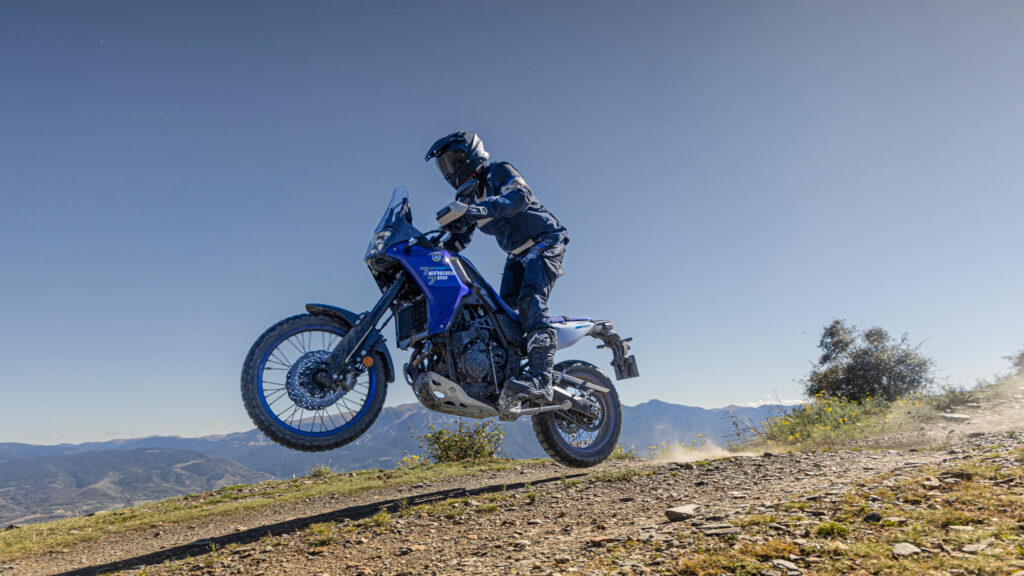
The Yamaha Ténéré 700 or the KTM 890 Adventure R offer a compromise. They are capable of sustained motorway speeds to get you to the trails, yet they possess enough off-road DNA to tackle most UK lanes. However, their weight makes them a handful in deep mud or on steep, technical climbs.
The Heavyweight Giants (1000cc+)
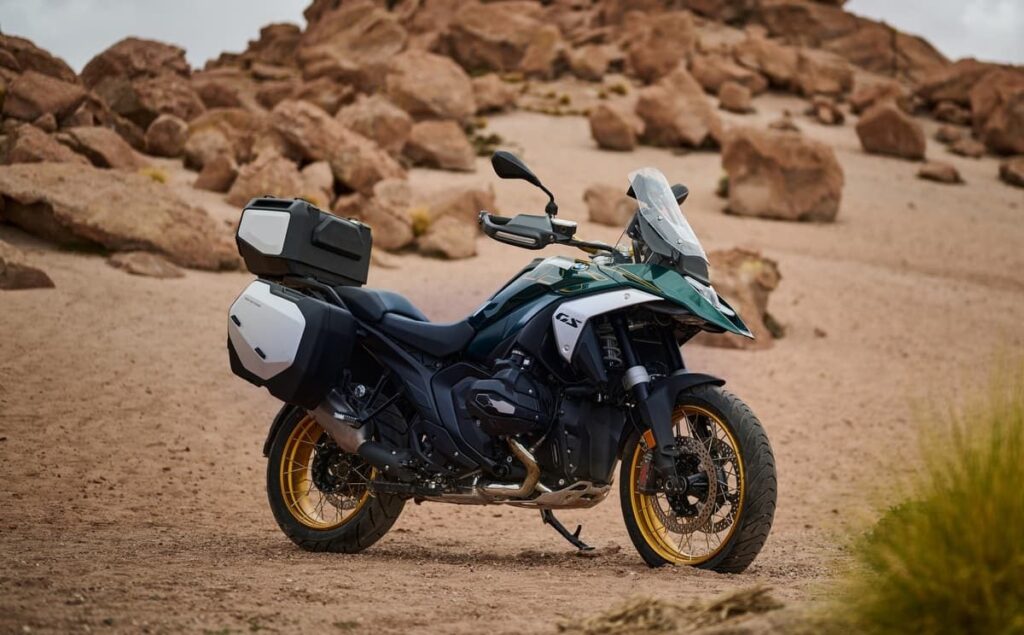
Riding a BMW R1300GS or a Triumph Tiger 1200 on a green lane is an exercise in ambition. While these bikes are incredibly capable in the right hands, they require significant physical strength and advanced technique. On a narrow, overgrown lane in Devon, a 250kg motorcycle can quickly become a liability particularly for those new to green laning.
Essential Preparation
Regardless of the bike, your tyres are your most important asset. Road-biased tyres will turn into “slicks” the moment they touch wet clay – a common mistake for those new to green laning. Look for “50/50” tyres like the Continental TKC80 or Michelin Anakee Wild, which offer a balance of tarmac grip and off-road bite. Additionally, fit a sump guard (bash plate) to protect your engine from flying rocks and handguards to protect your levers (and fingers) from stray branches.
Regional Highlights: Where to Ride
The UK’s geography offers a diverse range of riding, from the chalky tracks of the south to the rocky mountain passes of the north. It’s safe to say, whatever the regions, there is a green laning opportunity on offer.
South West England: Salisbury Plain
The “Mecca” of English green laning. Managed by the Ministry of Defence, the Plain offers hundreds of miles of tracks. It ranges from fast, gravelly gallops to treacherous “tank ruts” filled with water of indeterminate depth. Always check for red flags; if they are flying, live firing is taking place, and access is strictly prohibited.
South East England: The North and South Downs
Here, you will find “The Pilgrims’ Way” and various chalk-based lanes. Be warned: wet chalk is arguably the slipperiest substance known to man. It has the consistency of wet soap, making these lanes a high-skill challenge during the winter months.
The Midlands: The Peak District
The Peaks offer some of the most technical green laning routes in England. Routes like Stanage Edge or Roych Clough feature steep gradients and large rock steps. Due to high usage, many lanes here have TROs, so checking the latest status on the Green Road Map is vital. The scenery, however, is peerless—rugged gritstone edges and sweeping moorlands.
Wales: The Green Laning Heartland
Wales is arguably the best place in the UK for trail riding (green laning).
- The Strata Florida: Located in the Cambrian Mountains, this is one of the most famous routes in the UK. It features multiple river crossings and a stunning abbey at one end. It is not for the faint-hearted or the solo rider.
- The Wayfarer: Crossing the Berwyn Mountains, this track is high, exposed, and offers incredible views. It’s a classic route that captures the essence of Welsh wilderness.
Northern England: The Yorkshire Dales and Lake District
The Dales are famous for “Green Lanes” in the literal sense—grassy tracks walled by dry stone. The Lake District offers the Old Coach Road near Keswick, a spectacular five-mile stretch that provides an Alpine feel without needing a ferry to France.
Scotland: A Different Rulebook
It is a common misconception that Scotland’s “Right to Roam” applies to motorcycles. It does not. Motorised access in Scotland is very restricted compared to England and Wales. Most off-roading in Scotland occurs on private estates with permission or through organised tours.
The Code of Conduct: Protecting the Future of the Sport
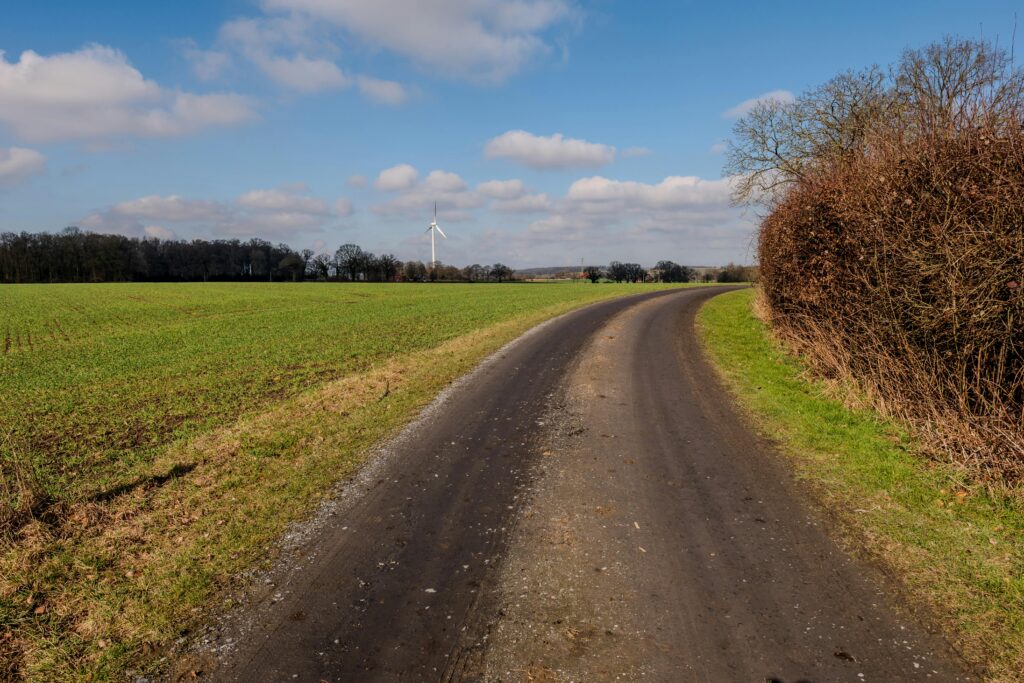
Green laning is under constant scrutiny from rambling groups and environmental lobbyists. To ensure these lanes remain open, riders must follow a strict code of conduct, championed by the Trail Riders Fellowship (TRF).
- Stay on the Track: Never “stray from the tray.” Riding on the verges to avoid a puddle damages the flora and widens the lane, which gives grounds for closure.
- Respect Other Users: When you encounter hikers or horse riders, slow down to a walking pace. If you see a horse, the best practice is to pull over and switch off your engine entirely. A friendly wave and a “thank you” go a long way in fostering goodwill.
- Keep it Quiet: Loud, aftermarket “race” exhausts are the quickest way to get a lane closed. Keep your bike as quiet as possible to avoid disturbing the peace of the countryside.
- Travel in Small Groups: A convoy of 20 bikes is intimidating and damaging. Limit your group size to four or five riders.
- Leave No Trace: Close every gate you find closed, and pick up any litter you see.
Essential Skills for the Trail
Green laning requires a complete recalibration of your road-riding instincts.
- Standing Up: You cannot ride effectively off-road while sitting down. Standing on the footpegs lowers your centre of gravity (counter-intuitively) and allows the bike to move beneath you. It also lets your legs act as secondary shock absorbers.
- Vision: On the road, we look far ahead. On a green lane, you must balance looking ahead with scanning the immediate ground for “obstacles”—the rock that will deflect your front wheel or the rut that will swallow your tyre.
- The Clutch is Your Best Friend: Forget the front brake in the mud; it will only tuck the front end and put you on the floor. Use your clutch to manage power delivery and rear-wheel spin.
- Cover the Rear Brake: When descending steep, slippery hills, the rear brake is your primary tool for speed control. Locking the rear is manageable; locking the front usually results in a crash.
Why We Do It
Critics often ask why anyone would want to spend their Sunday covered in mud, exhausted, and potentially nursing a broken clutch lever. The answer lies in the sense of discovery. When you green laning, you are often following routes that have existed for a thousand years—Roman roads, ancient drovers’ paths, and medieval trade routes.
There is a meditative quality to trail riding. The world shrinks down to the three metres in front of your fender. The stresses of work and modern life vanish, replaced by the immediate necessity of finding traction on a wet root or navigating a water crossing.
Moreover, it builds a level of bike control that makes you a far safer rider on the road. You learn how a bike feels when it loses traction and how to remain calm when the machine moves beneath you.
Conclusion
Green laning in the UK is a privilege, not a right. It offers an escape into the “Green Atlantis”—the hidden, rural England that exists between the motorways. By preparing correctly, choosing the right machine, and riding with respect for the landscape and its other inhabitants, you can access a lifetime of adventure without ever leaving these shores.
Whether you are tackling the rocky steps of the Lake District or the vast expanses of Salisbury Plain, the message when green laning is the same: respect the trail, protect the access, and enjoy the ride. The finest views in Britain are rarely found at the side of a dual carriageway; they are found at the end of a muddy lane, through a visor splattered with the evidence of a day well spent.
Looking for a list of green laning routes in the UK? – Check this out…